
Autism Acceptance Month is a time to celebrate neurodiversity, promote positivism and educate with love. It is also a time to educate yourself, share what you know with others and promote inclusion of everyone.
One of my favorite thing to do these days is educate others about Autism. I am no expert, by any means, I have the wish to help others understand my wonderful kid. I can go on and on about my children. Two are basically grown and we have our little Charlie who just turned 5 last week! Charlie had a start in life that can only be described as rough. He had some big twists and turns early on. Eventually, he landed in our home in 2021. His story of how he came to us is his to share, I am sure he will one day.
Lately there has been a lot of changes for Charlie. Transitions are hard for him. Meltdowns have been a constant in our house for the last couple of weeks. When new things happen, his body needs time to adjust. When new skills are acquired, it takes some time for them to be integrated.
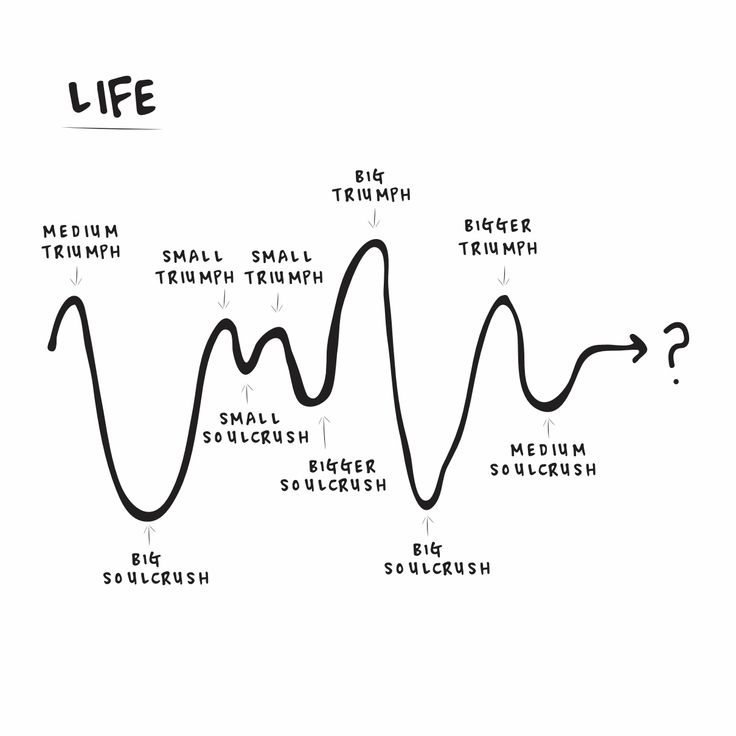
I think about it like a pyramid. You and I have a baseline toward the bottom of a pyramid. We can handle quite a lot before we reach peak dysregulation. Charlie starts about halfway up the pyramid on a good day. His little body struggles to keep regulation even when things are predictable and typical. When you add in new skills, transitions, life changes, excitement…his baseline moves up and up depending on what is changing. There are times his baseline is one event away from peaking. Can you imagine how hard that must be? How many extra skills Charlie has to have just to be out in the world? His day to day looks like this, sometimes we go through each of these hills in an hour.
We, as a society, spend so much time teaching those in the Autistic Community how to “fit in.” We teach them how to mask. We show them how to communicate effectively with others. Maybe I am way off base. I think the focus needs to be on teaching the neurotypical community about neurodiversity and inclusive practices. Do some research. Don’t be afraid to ask questions, I love answering them. If you see a parent in public struggling, share a smile. If you have a person in your life who is on the spectrum, ask how you can better accommodate them. Try lowering lights, turning the music down, make sure to have safe foods available. Know that everyone is different. Everyone has different support needs, sensory needs, dietary needs. Don’t laugh. Listen to their words, this teaches people to advocate for their needs. I love hearing Charlie say “I don’t like that” or “That tickles, keep scratching my back like that.” Honestly, you should be doing this for everyone anyway.
Everyone deserves to feel supported. Everyone deserves to feel included. Charlie might be different, but he is not less. This shift in thinking can foster understanding and create a world where everyone feels welcome, accepted, and capable.

 Life is a Journey